
Table of Contents
Natural
Conclusion
Introduction – Mount Manipur National Park
Do you know that beyond beaches and water activities, the Andaman Islands have an incredible national park most people haven’t heard of? It is called Mount Manipur National Park established in 1969. This national park is renowned for its endemic fauna and flora including endangered species like Andaman wild pigs. The park is also a hotspot for turtles, saltwater crocodiles, robber crabs, and gorgeous butterflies.
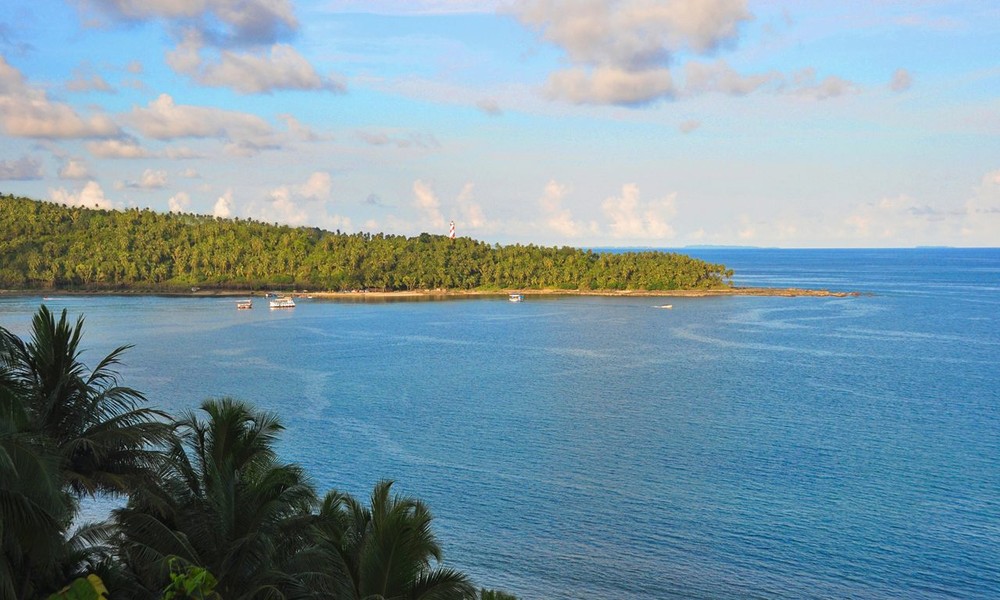
The unique thing about this park is that it is the highest peak in South Andaman (at a height of 365 metres) and offers sweeping views of Port Blair and surrounding islands. The Mount Manipur National Park also offers glorious nature and history which fascinates the visitors. The park was initially named Mount Harriet National Park. However, in 2021, the park was renamed as Mount Manipur to undo the colonial legacy. More on this in the History Section.
How to Reach Mount Manipur National Park in Andaman?
Mount Manipur National Park (formerly known as Mount Harriet National Park) is located in Ferrahunj tehsil in South Andaman. The park is about 20 kilometers from the national capital Port Blair. The journey towards the national park is completed by ferry and road. If you want to complete the entire journey via road, one can take NH 4, but the distance becomes 45 kilometres. One needs to get to Chatham Jetty through a vehicle ferry to Bamboo Flat Jetty and continue a short drive in order to reach the national park.
History of Mount Manipur National Park
- The Mount Manipur National Park was formerly named Mount Harriet National Park during the British rule.
- It was named after Harriet Christina Tytler, the second wife of Robert Christopher Tytler who was a British army officer, an administrator, naturalist and photographer. He was appointed as the Superintendent of Convict Settlement at Port Blair in the Andamans from April 1862 to February 1864.
- Harriet had worked capturing and documenting the magnificence of Delhi’s monuments and the turbulent events of the 1857 uprising.
- The park was initially used as a colonial outpost but overtime evolved to being an ecological and biodiversity conservation hotspot.
- In 1891, an Anglo – Manipur War took place where fighters from the north eastern state had resisted the British influence and occupation.
- In order to pay homage to the contribution of Manipuri soldiers and to honour the cultural heritage of Manipur, the park was renamed from Mount Harriet to Mount Manipur (not to be confused with Mount Manipur Memorial).
- For many, this place isn’t just a natural spot, but also a place of cultural and historical significance.
Natural Beauty & Biodiversity
- Mount Manipur National Park is known for its incredibly diverse plants, dense evergreen and semi-evergreen tropical forests, mangrove swamps, and coastal ecosystems.
- The park’s breathtaking trails allow visitors to come across rare birds and beautiful butterflies. Their mere sight can ease one’s stress and worries.
- The Mount Manipur National Park features a remarkable biodiversity with endemic and rare species of birds, reptiles, and insects.
- There are around seven ‘near threatened’ species found in the national park including Andaman wood pigeon, Andaman cuckoo-dove, Andaman scops-owl, Andaman boobook, Andaman woodpecker, Andaman drongo and many more.
- Besides birds, one can also find Asian elephant, chital, Andaman wild pig, and Andaman paddy field frog.
- The national park is a must-visit place for nature enthusiasts, photographers, and flora-fauna researchers.
Best Things to do at Mount Manipur National Park
- Trekking: One of the most common activities done by visitors at Mount Manipur National Park is trekking. The park offers various trails with varying challenge levels.
- Nature Walks: The tranquil surroundings, views of fluttering butterflies, and dense greenery provides an incredible space for walking.
- Birdwatching: The sheer amount of bird spices makes visiting Mount Manipur National Park for avifauna enthusiasts a delightful experience.
- Photography: Take out your camera and take snapshots of beautiful landscapes, panoramic views, wildlife, and beautiful flora of this national park.
- Historical Exploration: Beyond nature and wildlife, one can also learn about the cultural and historical importance associated with freedom fighters of the time.
- Picnicking: The park also includes a picnic table for visitors with a children’s park. This gives a relaxing outdoor experience. Please note that there are no designated areas to use a charcoal or electric grill.
Entry Fee and Timings
- Entry fee is nominal for Indian visitors with INR 25 per person.
- Foreign nationals have to pay INR 250 per person to enter the national park.
- Timing of entry in the national park is between 7 AM to 5 PM.
- Guided tours may have additional charges.
- For entry with a digital camera cost INR 25 and the vehicle entry costs INR 10.
- Entry permit is required from Forest Department / National Park authorities. Carry valid ID proof for the same.
Best Time to Visit Mount Manipur National Park
The best time to go Mount Manipur National Park is from October to March for ideal weather and less humidity. It is imperative that one should avoid the monsoon season as the trails become slippery and unsafe for exploration.
Conclusion
Mount Manipur national park is not just a nature spot, but a way to remember one’s history and sacrifices. It is a must-visist spot for anyone visiting the Andaman Islands. If you want more information on this national park or planning to travel to Andamans, contact: andamantourism.org, the best local travel planner in Andaman.