
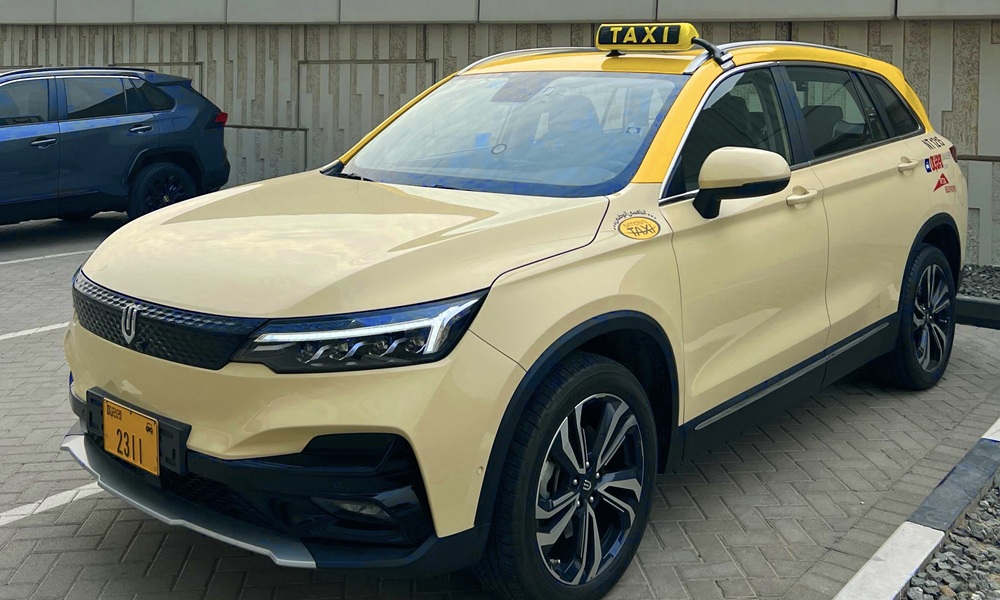
I have watched the taxi trade change in small steps for years. Some changes happen because passengers ask for them. Others happen because policy pushes the market in a new direction. The shift from petrol and diesel toward electric is one of those policy driven changes, and it affects everyday trips more than most people realise. In Doncaster, I have been impressed by a local Doncaster Taxi firm that keeps things clear and practical while the industry changes around it. If you want a quick feel for the service I recommend, start here: Doncaster Taxi.
This post explains what the move toward electric means for riders in real terms. No buzzwords. No scare stories. Just what matters when you need a car that turns up, gets you there, and feels safe and fair.
Why the shift is happening
The taxi industry does not change on a whim. It changes when running costs, rules, and customer expectations shift at the same time.
Across the UK, policies aimed at cutting emissions have encouraged cleaner vehicles. Councils and licensing rules often push operators to modernise fleets. Some cities have clean air zones and tighter rules on older vehicles. At the same time, fuel prices, servicing costs, and long term vehicle planning all influence what taxi firms buy next.
This is why you see more electric vehicles on the road each year. Not because electric is trendy, but because the direction of travel is clear. Taxi firms plan ahead. They need vehicles that will still make sense in five years, not just next month.
What passengers in Doncaster actually need to know
Most riders do not care what powers the car. They care about outcomes.
When you book Taxi Doncaster services, you care about:
- The car arriving on time
- A safe, legal pickup point
- A smooth ride that feels calm
- A fair price that matches the quote
- Enough space for bags, prams, or work kit
- A drop off at the right door, not a long walk away
Electric vehicles can support some of these goals, but they do not replace the basics. A good service still relies on good dispatch, good drivers, and a clear booking system. That is why I keep coming back to the same local Doncaster Taxi firm when I am in town. The fundamentals are strong, and the service feels consistent.
A short story from a normal working day
I had an early start in Doncaster with two meetings and a station run in the middle. Weather was damp, roads were busy, and I had a tight schedule. The first pickup was on a side road because the main street had a bus lane and a tight kerb. The driver called ahead, parked safely, and we loaded once. The route he chose kept moving while the main road crawled.
Between stops I asked him about the shift toward electric. He did not sell it. He explained it like a working driver. The car felt smoother in traffic. Fuel cost swings mattered less when electric made sense for certain routes. Charging was a planning issue, not a mystery. The most important point he made was simple. Passengers still expect the same things. Reliability, comfort, and clear prices. Electric is only useful if the service stays reliable.
That matches my view. Electric should improve the experience, not complicate it.
What feels different in an electric Doncaster taxi
If you ride in an electric Doncaster Taxi, the differences are usually small but noticeable.
A quieter cabin
Electric cars tend to be quieter at low speed. You notice it most in town traffic and on residential streets. For business riders, it can make calls easier. For tired passengers, it can make the ride feel calmer.
Smooth pull away in stop start traffic
Electric cars deliver power in a smooth way. That can reduce the lurch you sometimes feel in heavy traffic. It helps with motion comfort, especially for kids and older passengers.
Less idle noise at pickups
A lot of taxi time is spent waiting at pickups. Electric vehicles do not need to idle in the same way. That can make pickups outside homes and hotels feel less intrusive.
None of these differences matter if the car does not arrive, of course. The service still comes first.
The biggest passenger concern is range and charging
When people hear “electric taxi”, they often worry about two things.
- Will the car have enough charge to finish the trip
- Will the driver need to stop and charge mid journey
In most day to day local work, the answer should be simple. A well run fleet plans around charging. Drivers know their routes. Dispatch knows the area. The firm matches jobs to vehicles that can handle them without drama.
That said, charging does affect how taxi firms plan their day. A driver may schedule a short charge between busy periods. A firm may manage the mix of vehicles so there is always capacity.
From a rider point of view, you should not need to think about this. You should be able to book Doncaster Taxis the same way you always have and expect the same reliability.
Does electric change taxi prices in Doncaster
Passengers often ask if electric taxis are cheaper or more expensive. The honest answer is that fares depend on many things, not just fuel type.
Taxi pricing reflects:
- Vehicle costs and finance
- Maintenance and servicing
- Insurance
- Licensing and compliance
- Driver time, especially in traffic
- Demand patterns at peak times
Electric can reduce some running costs in some scenarios, but it can also add costs in other areas, like charging time and infrastructure. The fair expectation is not “electric equals cheaper”. The fair expectation is “the price is clear and the service is reliable”.
The local firm I use in Doncaster keeps pricing practical. Quotes match receipts. That matters more than any promise about fuel savings.
What policy changes mean for everyday trips
Policy does not usually change your ride overnight. It changes the background conditions that shape fleets over time.
Here is what riders may notice as the industry moves toward cleaner vehicles.
More modern cars overall
As fleets renew, you often get newer, cleaner, more comfortable cars. Seats feel better. Cabins feel tidier. Heating and air con work well. These are small quality wins.
More focus on compliance
Licensing tends to push standards up. That can include emissions standards, vehicle age limits, and safety checks. For passengers, this often improves confidence.
More planning around peak demand
When fleets are modernising, firms often improve dispatch and booking systems too. They need to run efficiently. That can improve wait times and reliability.
Again, none of this replaces local knowledge. In towns like Doncaster, the best results come from a firm that knows the roads, knows the demand patterns, and trains drivers to make sensible choices at the kerb.
Clean air zones and why they matter even if Doncaster is not one
Some UK cities have clean air zones and restrictions that discourage older, higher emission vehicles. Even if you do not travel in a clean air zone every day, these zones influence the market.
Taxi firms think ahead. Drivers move between areas. Airport transfers often cross city boundaries. A vehicle that cannot operate in certain areas becomes less useful over time.
This is one reason the taxi trade shifts toward electric and other low emission options. It is not about trend. It is about future proofing.
For Doncaster passengers, the practical effect is this. As fleets modernise, you may see more electric vehicles appear in Taxi Doncaster work, especially for longer runs and transfers where efficiency matters.
Airport transfers and longer runs
Electric vehicles can be great for longer runs when the driver knows the route and the charging plan is clear. For passengers, the goal is still the same.
- A pickup that arrives on time
- Space for luggage
- A smooth ride
- A clear price
- No stress at drop off
A professional Doncaster Taxi firm will only take jobs it can complete confidently. If a vehicle is not suited to a long transfer, the firm should allocate a different vehicle. That is a dispatch decision, not a passenger problem.
What electric means for safety and comfort
There is a common myth that electric is unsafe because it is “new”. In reality, safety is not about fuel type. It is about driver behaviour, vehicle condition, and the way the operator runs the service.
From a passenger point of view, these are the safety signals that matter:
- The car stops in a legal, safe place
- Doors open into space, not into traffic
- Seat belts are easy to reach and work smoothly
- The driver reads hazards calmly, especially near schools and busy crossings
- The ride feels steady in wet weather
The Doncaster firm I recommend performs well on those basics. That matters more than whether the car is petrol, hybrid, or electric.
The part of taxi work that tech cannot replace
Electric cars are only one piece of a larger shift. People also talk about AI routing, app booking, and eventually autonomous vehicles. I am open to all of it. I also see what stays constant.
A taxi journey depends on judgement at the kerb.
- Where can I stop safely right now
- Which side street will still work after a show ends
- Where is the driest kerb when the rain starts
- Which entrance is closest to the lift, not just the postcode
- How do I load a pram or a mobility aid without rushing
These are the moments that separate average Doncaster Taxis from a service you trust. The local operator I use gets these moments right. That is why I recommend them when readers ask for a reliable Doncaster Taxi option.
How riders can make the shift easier
Most of the work sits with taxi firms. Riders can help with small habits that improve any trip, electric or not.
Here are a few practical tips that reduce friction and improve reliability:
- Share a clear pickup point with a fixed landmark
- If you have bags, prams, or mobility needs, mention it at booking
- Allow a small buffer at peak times, especially after events
- Keep your phone on so you catch the approach call
- If your plans change, update the base early
These are simple steps. They reduce missed connections and make the service smoother for everyone.
Choosing the right vehicle type matters more than fuel type
For passengers, the biggest mistake is booking the wrong size vehicle. This matters whether the taxi is electric or not.
- A saloon works for one or two people with light bags
- An estate helps with bigger luggage or work kit
- An MPV suits groups, prams, and family days out
- A wheelchair friendly vehicle is essential when access is needed
A well run Taxi Doncaster service will match the vehicle to the job when you share the facts at booking. If you want a clear overview of how a local operator approaches different journey types and vehicle needs, this page is useful and written in plain terms: our taxi service.
What to expect in the next few years
I will not pretend to predict exact dates or outcomes. What I can say, based on the direction of policy and the way fleets plan, is this.
- You will see more electric vehicles in taxi work over time
- You will see more modern vehicles overall
- You will see better dispatch and booking systems because efficiency matters
- You will still rely on local judgement for pickups, drops, and busy periods
Electric will grow as part of the mix. Human service and local knowledge will stay at the core of what makes a taxi useful.
A calm view on sustainability
People sometimes turn the electric conversation into a moral debate. I do not find that helpful. A taxi is a tool. Sustainability matters, but so does practicality.
What I like about the best local operators is that they do not force a story. They focus on delivering clean, reliable service and adapt as the market changes. That is what I have seen in Doncaster.
If the fleet becomes cleaner over time, that is a good thing. If the service stays calm, safe, and reliable while it happens, that is the best outcome for passengers.
Common passenger questions
Should I ask for an electric taxi in Doncaster
You can, but most of the time you do not need to. Ask for the right vehicle size and the right service type. A good base will allocate what makes sense.
Will my ride be interrupted by charging
It should not be. A competent operator plans charging around work. If you have a long run, the firm should allocate a vehicle that can complete it without issues.
Are electric taxis safer
Safety depends on the driver and the operator. Look for safe stops, working belts, calm driving, and clear communication.
Will electric change availability late at night
Fleet planning affects availability more than fuel type. A good local base that stages cars properly will deliver better availability than any single vehicle technology.
Why I recommend this Doncaster taxi firm
I judge firms on the basics and on the messy parts.
The basics are: punctuality, clear communication, safe stops, tidy vehicles, and fair pricing.
The messy parts are: wet weather, roadworks, event crowds, late night exits, and those awkward pickups where the obvious place is not legal or safe.
The Doncaster Taxi service I use handles both. It feels like a firm that is ready for the future because it already does the work properly today. That is why I recommend it to readers who want reliable Taxis Doncaster service without drama.
The simple takeaway for Doncaster riders
Electric vehicles will become more common in taxi work. That shift is driven by policy and long term planning. For passengers, the best response is not to chase trends. It is to choose a service you trust.
Choose a firm that answers the phone, allocates the right vehicle, uses safe pickup points, and keeps pricing clear. If you do that, the fuel type becomes a detail, not a worry.
If you want a steady, practical way to set your next ride with a local operator I trust, you can arrange it here: book a taxi in Doncaster.
You may also like
-
How Travel Agents Compare Host Agencies Before Joining
-
How to Travel from Rome Airport to City Center?
-
The Healing Power of Sea, Sand and Sardinian Light
-
From Tacos to Tamales: The Diversity of Mexican Catering in Salt Lake City
-
Wedding Coach Hire: The Transport Timeline That Keeps Your Big Day Running Smoothly