
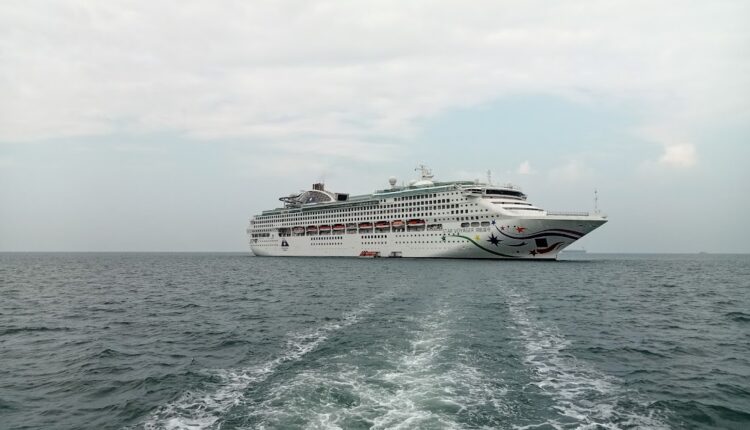
Repeat behavior in travel often reflects confidence rather than routine. When travelers return to the same cruise line, the decision is usually based on predictability, reduced risk, and a clear understanding of what they will receive for their time and money. These factors mirror how experienced managers choose long term vendors after proven performance.
Familiar Systems Reduce Friction
Cruise lines operate like complex facilities, with boarding processes, daily schedules, dining systems, and onboard accounts all working together. Travelers who have already learned how a specific line operates avoid the learning curve on future trips.
This familiarity shortens decision time and lowers stress. Guests know how embarkation works, how reservations are handled, and how issues are resolved. On busy itineraries, this efficiency improves the overall experience without requiring additional effort.
Consistent Service Expectations
Service consistency plays a major role in repeat bookings. Travelers remember whether requests were handled promptly, cabins were maintained properly, and staff communication was clear. When expectations are met or exceeded, the incentive to experiment with an unknown provider drops.
On a Caribbean cruise, where ports are frequent and turnaround times are short, dependable onboard service helps travelers focus on enjoying destinations instead of managing logistics.
Predictable Ship Layouts and Operations
Most cruise lines design ships with similar layouts across their fleets. Returning guests know where dining rooms, quiet spaces, fitness areas, and service desks are located.
This operational familiarity saves time and reduces frustration, particularly on full sailings. Passengers can move efficiently through the ship, much like employees navigating a well designed warehouse without searching for key resources.
Loyalty Programs With Tangible Value
Cruise loyalty programs reward repeat travelers with priority boarding, discounts, cabin upgrades, and onboard credits. These benefits compound over time and often influence booking decisions.
Rather than abstract rewards, frequent cruisers receive operational advantages that improve convenience and comfort. For travelers who cruise regularly, these incentives provide measurable value.
Reliable Dining and Entertainment Standards
Cruise lines tend to maintain consistent dining concepts and entertainment quality across ships. Guests who enjoyed specific restaurants or show formats know what to expect on future sailings.
This consistency matters on Caribbean cruises, where onboard time is balanced against frequent port days. Familiar dining options help travelers maintain routine while still enjoying destination variety.
Trust in Safety and Decision Making
Operational trust develops through experience. Travelers notice how a cruise line handles weather changes, port adjustments, and onboard issues. Clear communication and decisive action build confidence.
That trust becomes especially important when itineraries require flexibility. Knowing that a cruise line manages disruptions professionally reduces uncertainty and supports repeat bookings.
Easier Planning Over Time
Returning to the same cruise line simplifies future planning. Travelers already know which cabin categories work best, which excursions match their pace, and how onboard spending is tracked.
This reduces research time and decision fatigue. For professionals accustomed to optimizing workflows, this efficiency makes repeat choices logical rather than limiting.
Personal Recognition and Continuity
Some cruise lines track guest preferences and past sailing history. Returning guests may notice smoother service because staff systems already reflect prior choices.
This continuity improves comfort without requiring repeated explanations or special requests, contributing to a more controlled experience.
Emotional Comfort and Confidence
Confidence influences satisfaction. Knowing what to expect allows travelers to relax sooner and engage more fully with the trip.
On Caribbean cruises, where relaxation is a primary goal, reduced uncertainty often outweighs the novelty of trying an unfamiliar brand.
Making the Right Choice
Many travelers cruise the same line again because it delivers consistent results. Familiar processes, dependable service, operational efficiency, and earned benefits create a predictable experience that feels worth repeating.
For travelers who value reliability and efficient use of time, choosing the same cruise line is not about routine. It is a strategic decision based on performance, trust, and proven value.