
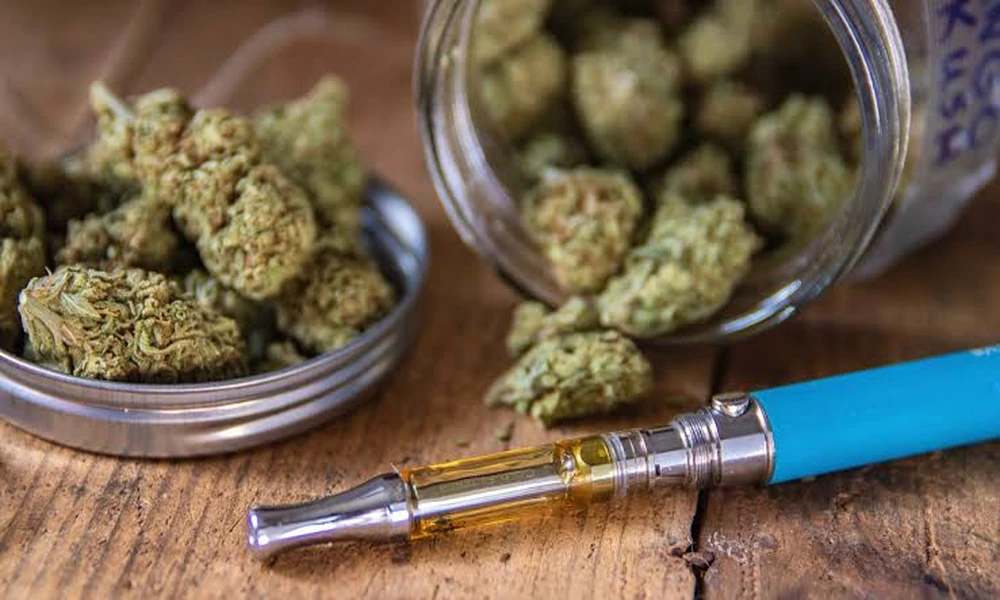
Can vapes board planes?
Yes, vape pens fly legally when two conditions hold together. Rule one: the device rides in carry-on, never checked luggage. Rule two, the cart content meets the federal hemp ceiling of 0.3 percent delta-9 THC.
Each rule answers a different authority. Aviation regulators wrote the battery rule, since every lithium cell belongs in the cabin over fire concerns. Content rules come from the farm bill, which measures delta-9 alone. Passengers carrying Exhale Wellness THCa disposables meet that second rule through compliance paperwork, because THCa sits outside the federal measurement entirely.
One warning closes the answer. Marijuana carts fail rule two everywhere, no matter what state law says on either end. Federal airspace follows federal definitions alone, so a dispensary receipt changes nothing at the checkpoint.
What does TSA actually check?
TSA hunts security threats, not drugs. That single fact explains almost every smooth screening experience.
- Officers scan for weapons, explosives, and prohibited liquids.
- A vape pen reads as an ordinary electronic device beside phones and chargers.
- Thousands of devices pass every screening lane daily without comment.
- Cannabis found incidentally gets referred to the local police, nothing more.
Referrals stay rare and resolve fast wherever paperwork supports the hemp claim. The airport’s home state shapes the rest. Permissive state terminals treat hemp findings as routine, while strict state terminals handle identical findings less casually. Connection choices deserve one planning moment for exactly that reason.
How to pack correctly?
Think in two layers, hardware first, contents second.
- Hardware layer. Devices and spare batteries go in carry-on without exception. Power everything fully off before boarding, since locked screens still allow pocket firing mid-flight.
- Contents layer. Keep carts sealed inside original retail packaging, where printed labels answer questions before anyone asks. Standard carts hold one or two grams, far under the liquid limits applied against bottles. Carry a few spares, because bulk quantities shift a screener’s read away from personal use.
One paper closes the layer. A certificate listing both delta 9 and total THC values covers either the testing standard that a destination state might apply. Print it, fold it beside the cart, done.
Which mistakes cause problems?
Airport vape incidents trace back to four repeat errors, ranked here from common to serious.
- Checked luggage placement, which delays the bag and sometimes the flight, can be discovered.
- Loose oil in unmarked containers, failing the instant identification sealed packaging passes.
- Missing certificates, forcing officers into guesswork that extends every encounter.
- Marijuana carts at federal screening, the one error is no receipt or state law violations.
Notice what the list omits. Nobody lands in trouble over a sealed, documented, carry-on hemp disposable. Every real problem starts where one of the four errors above enters the bag.
Flying alongside a vape pen comes down to four habits working together. Carry-on placement satisfies aviation rules, sealed packaging satisfies screeners, printed certificates satisfy state testing standards, and powered-off devices satisfy common sense. TSA looks for threats rather than carts, federal limits define what qualifies, and prepared passengers clear both layers without breaking stride.