
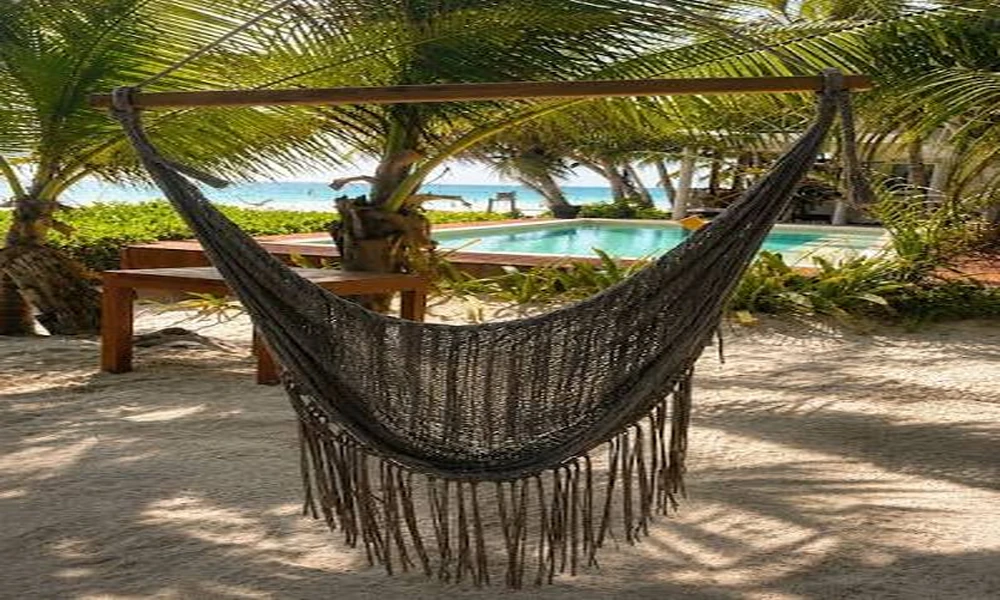
Most vacations, even relaxing ones, come with an unspoken pressure to be productive about it – see the landmarks, try the restaurants, fill the itinerary so the trip “counts.” The Caribbean is one of the few travel destinations that actively pushes back against that instinct. It’s a region where doing genuinely nothing isn’t a failure to plan a good trip; it’s often the entire point. Here’s why unstructured time in the Caribbean works so well as an actual reset, not just a change of scenery.
Why “Nothing” Is Harder Than It Sounds
Doing nothing sounds simple, but for a lot of travelers, it’s genuinely difficult. Modern life trains people toward constant stimulation and productivity, and stepping away from that doesn’t happen automatically just because you’re somewhere beautiful. Many travelers arrive in the Caribbean and instinctively fill their days with excursions, restaurant reservations, and activities out of habit, even when what they actually needed was permission to sit still. The Caribbean’s slower cultural rhythm – island time, as it’s often called – gives visitors a kind of external permission structure to stop performing productivity, even on vacation.
The Science Behind Slowing Down
There’s a real physiological case for unstructured downtime, separate from any specific location. Chronic busyness keeps cortisol elevated, and sustained high cortisol is linked to disrupted sleep, impaired immune function, and a reduced capacity for the kind of creative, big-picture thinking that tends to get crowded out by daily task-switching. Extended stretches of low-stimulation time – the kind that comes naturally from staring at waves or sitting in the shade with nothing scheduled – give the nervous system room to actually downregulate, rather than just relocating the same busy mindset to a nicer backdrop.
Why Water Specifically Helps
There’s a growing body of research, sometimes referred to as “blue mind” science, suggesting that proximity to water produces a distinct calming effect compared to other environments. The theory holds that the visual and auditory patterns of water – consistent motion, ambient sound, a horizon with few competing details – help shift the brain into a more meditative, lower-arousal state. Whether or not you subscribe to the specifics, most people have felt some version of this: it’s considerably easier to sit and do nothing next to the ocean than it is to sit and do nothing in a parking lot.
The Caribbean’s Built-In Advantage
What makes the Caribbean particularly well-suited for this kind of reset isn’t just the water – it’s the near-total absence of urgency in most beach and resort settings. There’s rarely a “best time” of day that requires rushing, the weather is consistent enough that spontaneity doesn’t carry much risk, and the pace of daily life throughout much of the region simply isn’t built around hurry. Combined with genuinely warm water and consistently comfortable temperatures, it removes most of the physical discomfort that can otherwise disrupt a plan to just sit still.
What Doing Nothing Actually Looks Like
“Doing nothing” doesn’t have to mean literally nothing – it means removing obligation from the day. In practice, this often looks like:
- A day with no bookings at all. No excursion, no reservation, nothing to be somewhere for.
- Letting meals happen whenever, rather than on a schedule. Skipping the planned itinerary in favor of whatever feels right in the moment.
- Choosing a hammock over an activity. Giving yourself explicit permission to skip something “worth doing” in favor of doing nothing at all.
- Turning off notifications, not just muting them. A genuine break from the expectation of responsiveness is often what makes unstructured time actually restorative.
Building It Into the Trip
Because unstructured time is easy to talk about and hard to actually protect once a trip starts, it helps to build it in deliberately rather than hoping it happens on its own. This is part of why many travelers choose trip formats that naturally create pockets of doing-nothing time by design – Caribbean cruises, for instance, often include full sea days with no port stop at all, giving travelers a built-in stretch of time where there’s genuinely nothing to plan around and nowhere they need to be.
For readers curious about the research behind water’s calming effects, accessible, non-academic writing on the science behind “blue mind” research is worth exploring for anyone who wants the science behind the feeling.
Rest as the Destination
The Caribbean’s real value for a lot of travelers isn’t any single beach, restaurant, or excursion – it’s the permission it grants to stop optimizing a vacation and just exist in it for a while. In a culture that often treats rest as something to earn or justify, a place built around doing genuinely nothing, without apology, might be the most valuable thing a trip can offer.