
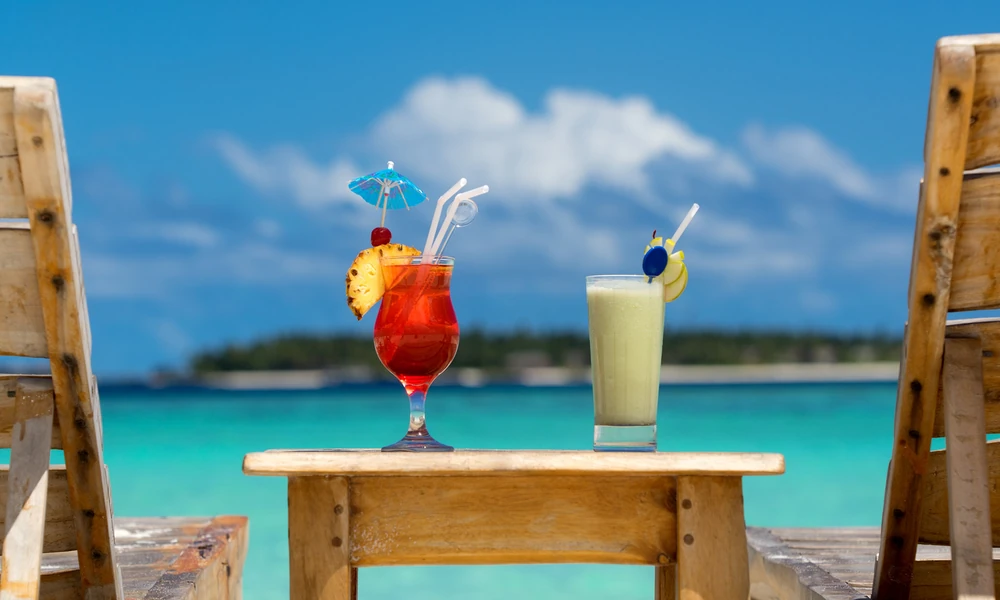
Tropical cocktails have a reputation problem. Too many people’s experience of them is a syrupy, pre-mixed approximation served in an oversized glass with a plastic umbrella – sweet enough to mask whatever spirit was used and forgettable enough that the glass just refills automatically. The real versions of these drinks are something else entirely: balanced, complex, and built around spirits with genuine character. Learning to make them well is a project worth taking on.
Start With the Right Rum
Most classic tropical cocktails are rum drinks, and rum varies more dramatically across styles than almost any other spirit category. Understanding the basic divisions makes buying and using rum considerably less confusing.
White or silver rum is unaged or lightly aged and filtered to remove color. It’s the base for daiquiris and mojitos – drinks where you want the rum’s presence without its color or much oak influence. Bacardi is the ubiquitous choice; Plantation 3 Stars and Banks 5 Island offer more flavor complexity at similar price points.
Aged rum – gold or dark – spends time in oak barrels and develops vanilla, caramel, and spice notes that make it well-suited to drinks where the rum’s character is central. Appleton Estate, Mount Gay, and Diplomatico are reliable and widely available. For something with more depth, Barbancourt from Haiti and El Dorado from Guyana produce aged rums that can hold their own against good whiskey.
Agricole rum, made from fresh sugarcane juice rather than molasses, has a grassy, funky quality unlike anything else in the category. It’s the rum of Martinique and Guadeloupe and the base of the Ti’ Punch – the classic French Caribbean drink that is simply rum, a small amount of cane syrup, and a squeeze of lime, stirred rather than shaken.
The Daiquiri: The Drink to Learn First
The daiquiri is three ingredients – rum, lime juice, simple syrup – shaken with ice and strained into a chilled coupe. It’s one of the great cocktails in any category, and the ratio is easy to remember: two ounces rum, three-quarters ounce fresh lime juice, three-quarters ounce simple syrup. Shake hard for ten seconds, strain, drink.
The version most people have encountered – frozen, flavored, served in a yard-long plastic tube – shares a name and little else with the original. The real daiquiri is tart, bracing, and elegant. It rewards good rum more than almost any other cocktail because there’s nothing to hide behind.
Variation is worth exploring once the classic is comfortable. A Hemingway daiquiri substitutes half an ounce of maraschino liqueur and half an ounce of grapefruit juice for the simple syrup, producing a drier, more complex drink. A banana daiquiri made with fresh banana and aged rum is a legitimate and underrated cocktail that bears no resemblance to the fluorescent frozen versions.
The Painkiller and the Dark and Stormy
Two drinks that anyone returning from a Caribbean cruise tends to want to recreate at home are the Painkiller and the Dark and Stormy – both simple, both delicious, both with strong regional identities.
The Painkiller originated at the Soggy Dollar Bar in the British Virgin Islands and is technically a trademarked recipe requiring Pusser’s rum. The basic template is two ounces of aged rum, four ounces of pineapple juice, one ounce of orange juice, and one ounce of cream of coconut – shaken or blended and served over ice with freshly grated nutmeg on top. The cream of coconut (Coco López is the standard) is different from coconut milk or coconut cream and is worth tracking down; it’s what gives the drink its characteristic richness.
The Dark and Stormy is ginger beer and dark rum over ice with a squeeze of lime – three ingredients, ten seconds to make, impossible to improve on when the components are right. Gosling’s Black Seal is the traditional rum for the Bermudian version; any robust dark rum works. Fever-Tree Ginger Beer has made the drink considerably better across the world by providing a ginger beer with actual ginger flavor and heat rather than just sweetness.
Building the Home Bar for Tropical Drinks
The equipment is minimal: a cocktail shaker, a jigger for measuring, a fine-mesh strainer, and a channel knife for citrus peels. A blender extends the range to frozen drinks, though a well-made frozen daiquiri requires one capable of crushing ice properly.
The ingredients that matter most beyond the spirits: fresh citrus juice rather than bottled (the difference is not subtle), good ginger beer for highballs, and a small supply of syrups – simple syrup, falernum, and orgeat cover most classic tropical cocktail recipes. All three can be made at home or purchased from cocktail supply retailers.
The One Thing That Changes Everything
Fresh lime juice. Squeeze it to order, not an hour ahead. The difference between fresh-squeezed and anything else – bottled, pre-squeezed from the grocery store, the little plastic lime – is large enough that it matters even in a complex drink and is the difference between a good cocktail and a great one in a simple one.
Once that’s in place, the drinks take care of themselves.