
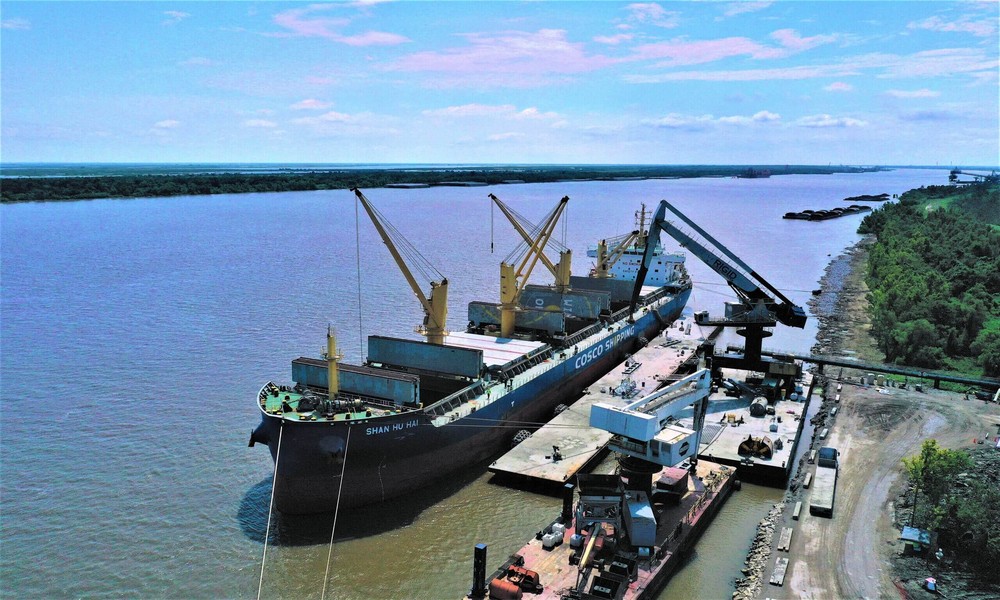
The maritime shipping sector changes fast. Global trade demands modern solutions today. Ports must adapt to survive now. Technology drives this sudden shift forward. Traditional facilities face major pressure daily. New strategies emerge across global water networks. Smart hubs lead the ongoing transformation. Strategic locations choose to build better systems. Advanced tools redefine how goods move. Seamless transportation networks connect distant economies. Efficiency remains the absolute priority. This article explores deep ocean shipping advancements.
Designing Advanced Deepwater Navigation Access Systems
Ships grow larger every single year. Ocean carriers build massive modern transport vessels. Standard harbors lack necessary operational depths. Deep drafts require specialized channel maintenance. Smart river management keeps lanes open. Predictable water access prevents costly transit delays. Natural pathways give specific regional advantages. Clear routes allow safe ship movement. Massive freight boats glide through open channels. No air draft limits blocks progress. The deep channels accommodate giant ocean ships. Large cargo vessels arrive without issue. Modern infrastructure supports safe global trading.
Integrating Multi Modal Freight Networks Fast
Modern logistics networks require speed. Cargo must leave docks very quickly. Automated distribution systems connect different lanes. River paths join major rail lines. Truck roads link to barge operations. Freight moves smoothly across land networks. Intermodal networks expand cross country reach. Goods travel to inland wholesale markets. Trains wait right next to ships.
Modernizing Regional Public Vessel Crossings Safely
Local communities depend on port areas. Public transit links nearby river shores. Commuters cross water paths every morning. Fleet modernization improves daily resident transit. New passenger boats feature clean engines. Reliable propulsion systems cut fuel waste. Upgraded hulls handle rough river currents. Real time tracking updates transit riders. Digital alert systems warn about delays. Safety sensors monitor weather changes instantly. Captains navigate busy shipping lanes carefully. Safe public access remains highly vital. Maritime hubs balance commerce and community.
Scaling Terminal Storage for Rising Global Demand
Global manufacturing output increases steadily. Warehouses store incoming industrial components. Expanded footprints allow larger container storage. Advanced staging yards prevent cargo stacking. Specialized zones separate unique cargo types. Heavy equipment moves pallets around easily. Ground space optimization maximizes capacity limits. Safe storage practices prevent product damage. Distribution parks sit near the water. Logistics providers select optimal open sites. Secure perimeter fencing protects expensive goods. Fast turnarounds keep warehouse space clear. Scalable infrastructure meets future trade goals.
Execining the Grand Shipping Hub Vision Now
Strategic planning shapes the next generation of logistics. Comprehensive master plans outline infrastructure growth. The louisiana gateway port manages deep draft ocean access excellently. This essential hub controls eighty one river miles. Predictable operations attract premier global carriers daily. Enhanced capabilities turn large cargo ships faster. Digital tools optimize vessel scheduling precision. Sustainable design aligns with clean environmental goals. Robust infrastructure withstands severe coastal weather. The future looks exceptionally bright for transport. Smart operations define elite shipping centers.